BRIC
BORDEAUX
internship supervisor
Arnaud JABOUILLE
intern
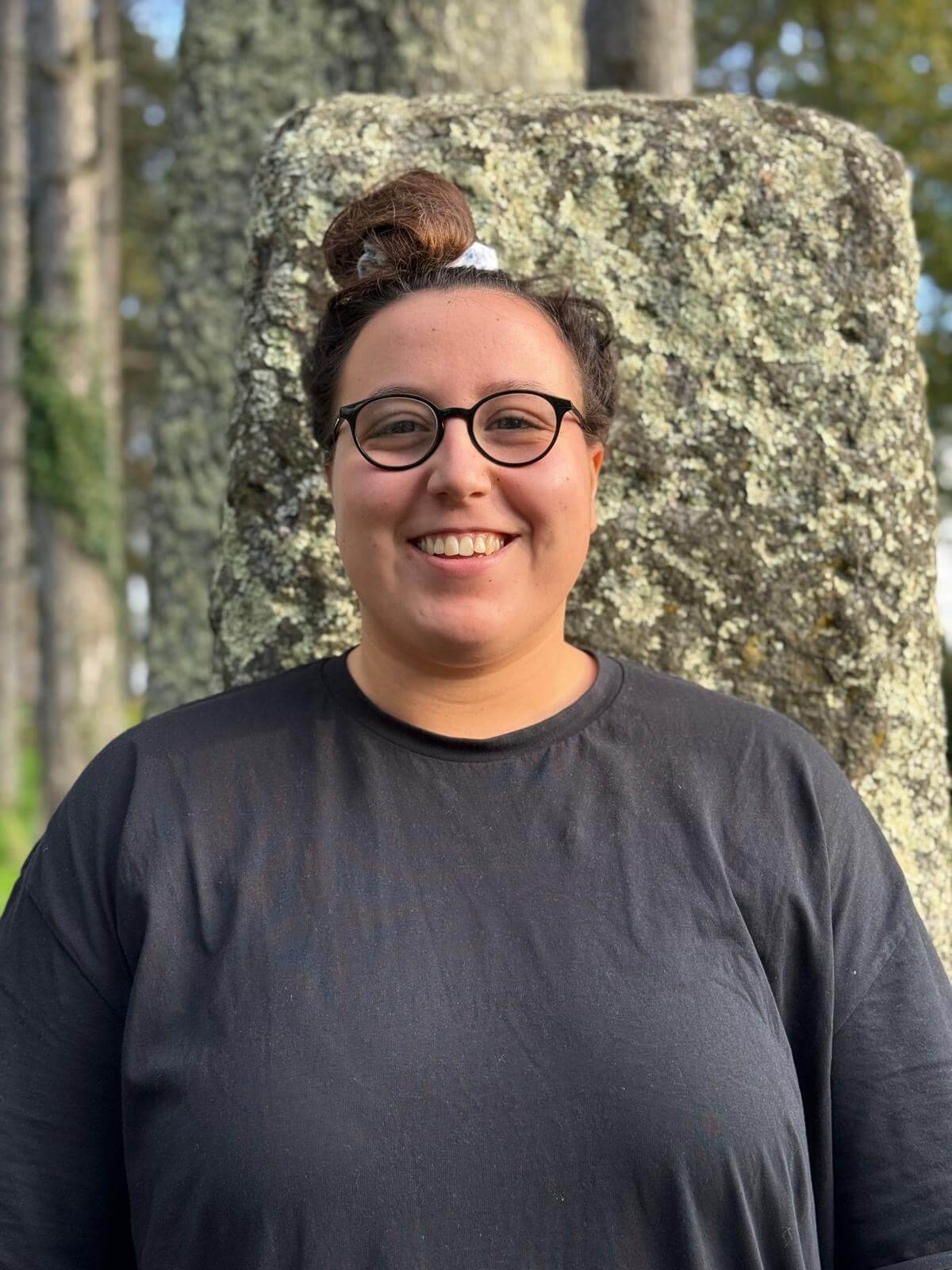
Léa MALOU
Identification of new biomarkers of hepatocarcinogenesis using proteomic profiling and CRISPRa/i functional screening
Hepatocellular carcinoma (HCC) is a leading cause of cancer-related mortality worldwide, predominantly affecting patients with cirrhosis of alcoholic or metabolic (diabetes and obesity) origin. The malignant transformation of cirrhotic macronodules (7–20 mm) into early-stage HCC remains challenging to diagnose, with current methods relying heavily on complex imaging and pathological interpretation. This project seeks to bridge this gap by identifying novel biomarkers that predict malignant transformation, thereby improving patient management and eligibility for liver transplantation. Our research combines high-throughput proteomic profiling and functional CRISPRa/i screening in a pre-malignant hepatocyte model (HepaRG cells). Using targeted sgRNA libraries designed to activate or repress ~150 genes, we will investigate their roles in hepatocyte malignancy. Key methodologies include 3D cell culture to model cancer-specific phenotypes, positive selection screens, and next-generation sequencing (NGS) of enriched and depleted barcodes to point critical genes driving tumorigenesis.
This project not only aims to validate CRISPRa/i as a powerful tool for functional genomic exploration but also strives to uncover molecular mechanisms underlying hepatocarcinogenesis. These findings could pave the way for the development of diagnostic and therapeutic strategies, ultimately improving outcomes for patients with liver cancer.
#CRISPRScreening
abstracts
THE MAKING
OF YOUR EVENT
BRIC
BORDEAUX
Identification of new biomarkers of hepatocarcinogenesis using proteomic profiling and CRISPRa/i functional screening
Hepatocellular carcinoma (HCC) is a leading cause of cancer-related mortality worldwide, predominantly affecting patients with cirrhosis of alcoholic or metabolic (diabetes and obesity) origin. The malignant transformation of cirrhotic macronodules (7–20 mm) into early-stage HCC remains challenging to diagnose, with current methods relying heavily on complex imaging and pathological interpretation. This project seeks to bridge this gap by identifying novel biomarkers that predict malignant transformation, thereby improving patient management and eligibility for liver transplantation. Our research combines high-throughput proteomic profiling and functional CRISPRa/i screening in a pre-malignant hepatocyte model (HepaRG cells). Using targeted sgRNA libraries designed to activate or repress ~150 genes, we will investigate their roles in hepatocyte malignancy. Key methodologies include 3D cell culture to model cancer-specific phenotypes, positive selection screens, and next-generation sequencing (NGS) of enriched and depleted barcodes to point critical genes driving tumorigenesis.
This project not only aims to validate CRISPRa/i as a powerful tool for functional genomic exploration but also strives to uncover molecular mechanisms underlying hepatocarcinogenesis. These findings could pave the way for the development of diagnostic and therapeutic strategies, ultimately improving outcomes for patients with liver cancer.
#CRISPRScreening
internship supervisor
Arnaud JABOUILLE
intern
Léa MALOU