BioPic Team
limoges
internship supervisor
Laurent DELPY
& Antoine PRAITE
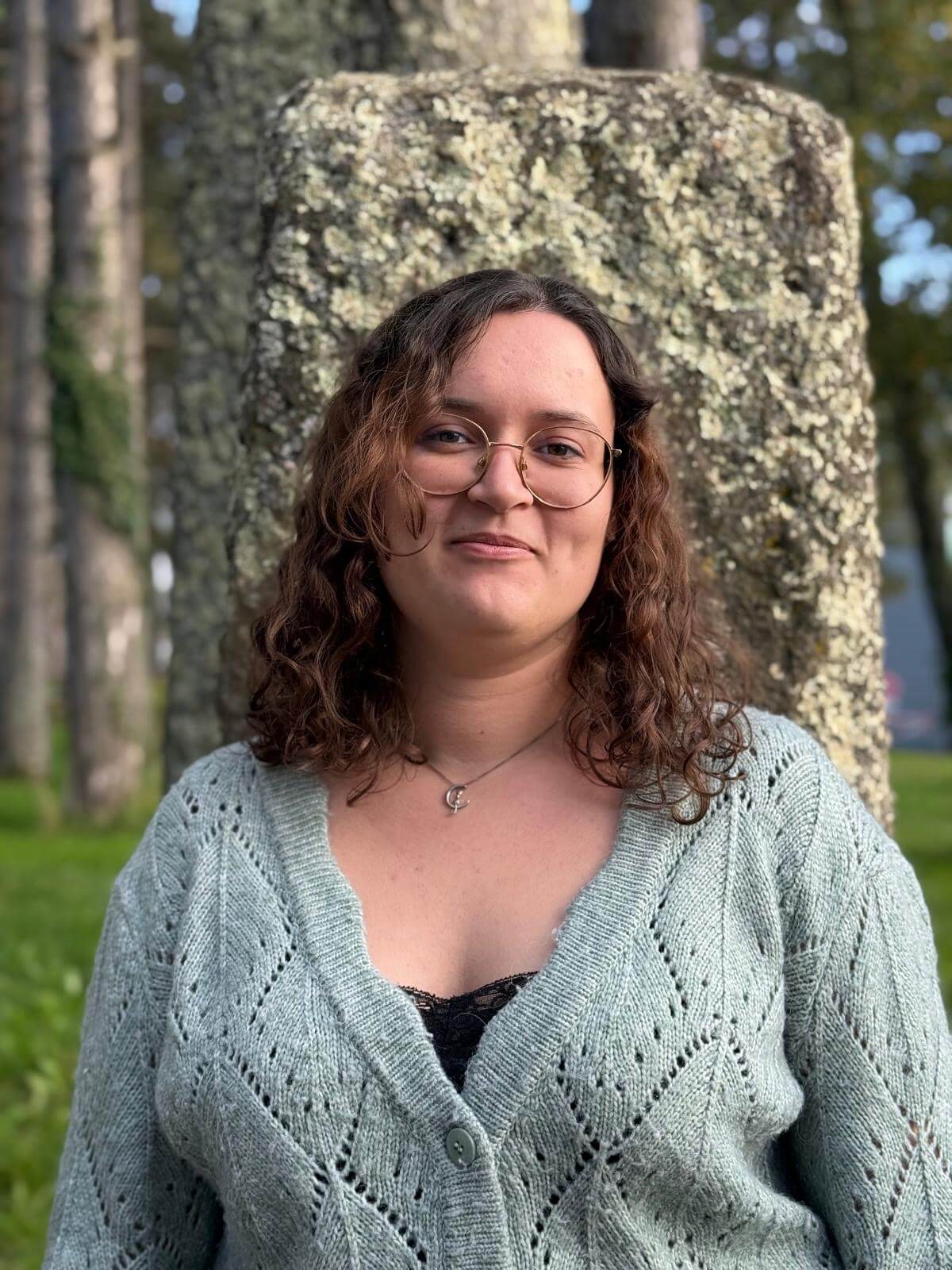
intern
Léa RIVAL
Study of post-transcriptional regulation of immunoglobulin genes during plasma cell
differentiation
A feature of the adaptive immune system is its ability to generate antibodies (ACs), which bind with high affinity and specifically to a wide variety of antigens. Plasmablasts and plasma cells, the antibody-secreting cells, are specialised and differentiated from the B lymphocyte lineage. Blimp-1 promotes plasma cell differentiation (PCD) by inhibiting genes associated with the B lymphocyte phenotype and activating genes required for plasma cell specialisation, in particular XBP1, which participates in the enlargement of the endoplasmic reticulum and the massive production of antibodies, and by indirectly promoting the expression of secreted immunoglobulin (Ig) isoforms by influencing the alternative polyadenylation (AP) of Ig heavy chain (IGH) transcripts. PA is a mechanism that affects the maturation of messenger RNAs and consists in varying the 3′ terminal part of the transcript, thereby modifying its functional properties. IGH PA plays a crucial role in regulating the expression of the two main Ig isoforms: membrane and secreted. These genes have two polyadenylation signals. The proximal signal leads to production of the secreted isoform and retention of the CHS exon. The distal signal, on the other hand, produces the membrane isoform and leads to thesignal inclusion of two membrane exons, while excluding the CHS exon. The choice of polyadenylation site can be influenced by post-transcriptional regulators that allow precise control of gene expression. However, this IGH-specific regulation in plasma cells is still poorly understood.
To overcome this, my host laboratory, the CRIBL, is currently developing innovative approaches for capturing Ig transcripts in order to study their post-transcriptional regulation specifically. In addition, the BioPIC team specialises in the use of antisense strategies to modify the polyadenylation of IGH transcripts in order to direct the expression of membrane or secreted Ig isoforms. These antisense approaches will be used to assess the impact of changes in the polyadenylation of IGH transcripts during PCD. My internship project is part of this theme and involves continuing to study the post-transcriptional regulation of Ig during PCD. This subject will also examine whether there are any discrepancies between the transcripts coding for the different Ig isotypes (IgM, IgG, IgA, IgE) and their isoforms. In addition to learning in cell culture using an in vitro PCD model on primary cells, this project will use the OOPS (Orthogonal Organic Phase Separation) technique, coupled with biochemical and molecular biology tools to capture the RNA protein interactome.
#Cell Culture #Plasma Cell #Immunoglobulin #Plasma Cell differentiation #OOPS #I/G tailing
abstracts
THE MAKING
OF YOUR EVENT
BioPic Team
limoges
Study of post-transcriptional regulation of immunoglobulin genes during plasma cell
differentiation
A feature of the adaptive immune system is its ability to generate antibodies (ACs), which bind with high affinity and specifically to a wide variety of antigens. Plasmablasts and plasma cells, the antibody-secreting cells, are specialised and differentiated from the B lymphocyte lineage. Blimp-1 promotes plasma cell differentiation (PCD) by inhibiting genes associated with the B lymphocyte phenotype and activating genes required for plasma cell specialisation, in particular XBP1, which participates in the enlargement of the endoplasmic reticulum and the massive production of antibodies, and by indirectly promoting the expression of secreted immunoglobulin (Ig) isoforms by influencing the alternative polyadenylation (AP) of Ig heavy chain (IGH) transcripts. PA is a mechanism that affects the maturation of messenger RNAs and consists in varying the 3′ terminal part of the transcript, thereby modifying its functional properties. IGH PA plays a crucial role in regulating the expression of the two main Ig isoforms: membrane and secreted. These genes have two polyadenylation signals. The proximal signal leads to production of the secreted isoform and retention of the CHS exon. The distal signal, on the other hand, produces the membrane isoform and leads to thesignal inclusion of two membrane exons, while excluding the CHS exon. The choice of polyadenylation site can be influenced by post-transcriptional regulators that allow precise control of gene expression. However, this IGH-specific regulation in plasma cells is still poorly understood.
To overcome this, my host laboratory, the CRIBL, is currently developing innovative approaches for capturing Ig transcripts in order to study their post-transcriptional regulation specifically. In addition, the BioPIC team specialises in the use of antisense strategies to modify the polyadenylation of IGH transcripts in order to direct the expression of membrane or secreted Ig isoforms. These antisense approaches will be used to assess the impact of changes in the polyadenylation of IGH transcripts during PCD. My internship project is part of this theme and involves continuing to study the post-transcriptional regulation of Ig during PCD. This subject will also examine whether there are any discrepancies between the transcripts coding for the different Ig isotypes (IgM, IgG, IgA, IgE) and their isoforms. In addition to learning in cell culture using an in vitro PCD model on primary cells, this project will use the OOPS (Orthogonal Organic Phase Separation) technique, coupled with biochemical and molecular biology tools to capture the RNA protein interactome.
#Cell Culture #Plasma Cell #Immunoglobulin #Plasma Cell differentiation #OOPS #I/G tailing
internship supervisor
Laurent DELPY
& Antoine PRAITE
intern
Léa RIVAL